
Wildfire Preparedness for Caregivers: Helping Older Adults Stay Safe
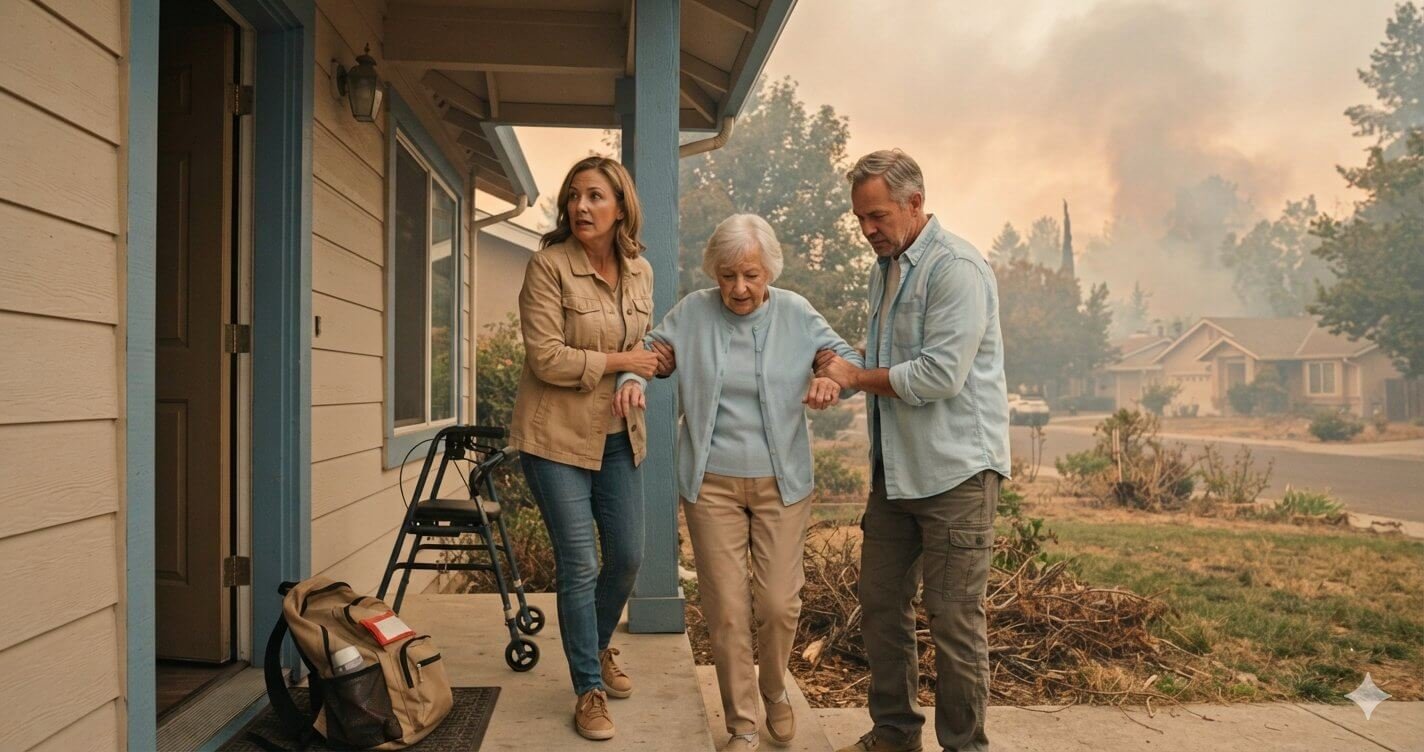
Wildfire preparedness for caregivers can make a difference between life and death.
When you care for an older adult, emergency planning involves more than knowing where the nearest exit is. Medications, mobility limitations, medical equipment, transportation needs and even changes in routine can make evacuating during a wildfire more complicated.
Wildfires can also move quickly. A plan that depends on figuring things out after an evacuation order arrives may leave caregivers with too many decisions to make when time matters most.
Fortunately, much of the work can be done ahead of time. Preparing for a wildfire before one threatens your community can make it easier to protect an older loved one and maintain the care they depend on throughout an emergency.
Understand Your Loved One’s Individual Needs
Start by thinking through what your loved one would need if they had to leave home with little notice.
For example, can they get into a vehicle without assistance? Do they use a walker, wheelchair or other mobility device? Do they depend on oxygen, a CPAP machine or another powered medical device? Do any medications require refrigeration? Would dementia or another cognitive condition make an unexpected evacuation especially confusing?
Write these needs down rather than relying on memory.
Caregivers should also keep an updated list of medications, dosages, physicians, pharmacies, medical conditions and allergies. Copies of identification, insurance information and important medical records should be stored somewhere they can be retrieved quickly.
If multiple family members or caregivers share responsibility for an older adult, make sure everyone knows where this information is located.
Create a Wildfire Evacuation Plan Before You Need It
During a wildfire, knowing that you need to evacuate is only part of the equation. You also need to know how you will do it.
Identify who will be responsible for helping your loved one leave and have a backup person in case the primary caregiver is unavailable. Determine what vehicle will be used and whether it can accommodate mobility equipment.
Plan at least two evacuation routes. Wildfires can result in road closures, heavy traffic and rapidly changing conditions, so the route you normally use may not be available.
You should also identify several possible destinations. These could include the home of a friend or relative outside the affected area, a hotel or an emergency shelter. If your loved one has mobility or medical needs, consider whether the destination can accommodate them.
Practice the plan periodically. Even a simple practice run can reveal problems that are much easier to solve before an emergency.
Prepare Medications and Medical Equipment
Access to routine health care can become difficult during a wildfire. Pharmacies may close, roads can become inaccessible and power outages may affect medical equipment.
Talk with your loved one’s doctor and pharmacy about what to do if an emergency interrupts access to medication. Keep an adequate supply of essential prescriptions available when possible and regularly check expiration dates.
If your loved one uses electrically powered medical equipment, determine how long backup batteries will last and how they can be recharged. Consider where you could relocate if an extended power outage made it unsafe to remain at home.
Hearing aids, glasses, mobility aids and other everyday devices should also be part of the emergency plan. Small items that seem easy to remember can be surprisingly easy to overlook during a stressful evacuation.

Pack a Go-Bag for Your Loved One
A caregiver should not have to pack for an older adult while a wildfire is approaching.
Prepare a go-bag in advance and keep it somewhere accessible. In addition to basic emergency supplies, an older adult’s bag may need to include:
- Prescription medications and an updated medication list
- Copies of identification and insurance information
- Medical and emergency contact information
- Extra eyeglasses or hearing-aid batteries
- Portable medical or mobility supplies
- A phone charger and backup battery
- Water and easy-to-eat nonperishable foods
- Comfortable clothing and sturdy shoes
- Respiratory protection appropriate for wildfire smoke
Review the bag regularly. Medication information, emergency contacts and medical needs can change, and supplies such as food and batteries need to be replaced periodically.
Plan for Wildfire Smoke, Too
Evacuation is not the only wildfire concern for older adults. Smoke can travel far beyond the area where a fire is actively burning.
Older adults, particularly those with heart or lung conditions, may be more vulnerable to the effects of poor air quality. Caregivers should monitor local air-quality information during wildfire events and reduce a loved one’s exposure to smoke.
When smoke is present, keeping windows and doors closed and using appropriate air filtration can help improve indoor air quality. Avoid unnecessary outdoor activity when air quality is poor.
If your loved one develops serious symptoms such as chest pain, significant difficulty breathing or sudden confusion, seek medical attention.
Consider Cognitive and Emotional Needs
Wildfires can also be frightening and disorienting, particularly for someone living with dementia or another cognitive impairment.
An evacuation may suddenly introduce unfamiliar people, locations, sounds and routines. Caregivers can help by using calm, simple instructions and keeping familiar objects nearby when possible.
Make sure your loved one has identification and emergency contact information on them. During an evacuation, someone who is prone to wandering or becoming confused may require especially close supervision.
Even after the immediate danger has passed, watch for changes in sleep, appetite, mood or confusion. Returning to familiar routines when possible may help restore a sense of stability.
Preparation Gives Caregivers More Options
No emergency plan can eliminate every challenge created by a wildfire. Conditions can change quickly, and caregivers may still need to make unexpected decisions.
Preparation, however, means fewer of those decisions have to be made from scratch.
Knowing who will help, where you will go, what your loved one needs and what you will take can make an emergency evacuation safer and less chaotic for everyone involved.
Final Thoughts: Wildfire Preparedness for Caregivers
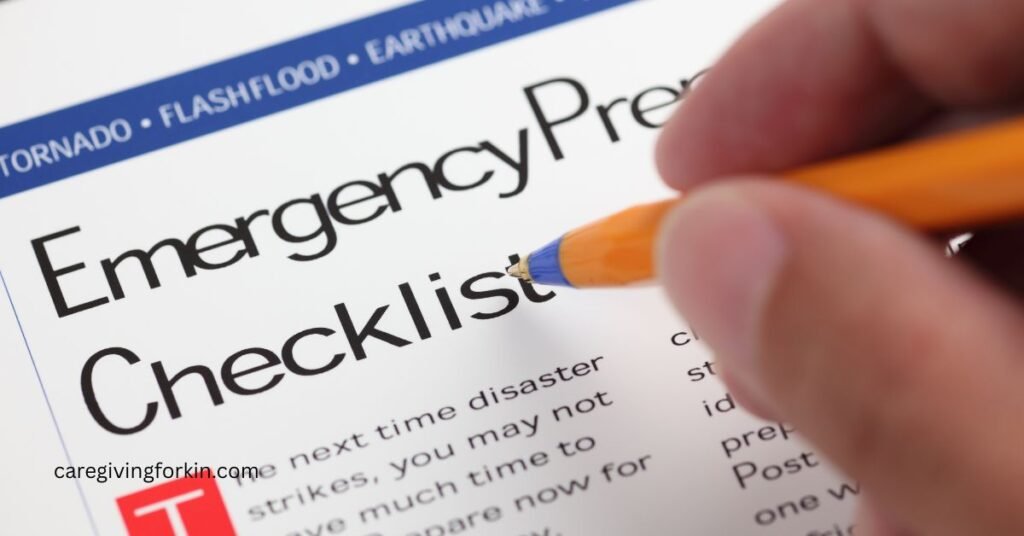
Caregivers can use the Fire Help Center’s Wildfire Preparedness Guide for Seniors and Caregivers to create a more complete plan, including evacuation, medication, smoke safety and power-outage considerations.
The best time to work through those questions is long before smoke or flames are visible. A few hours spent preparing today can give both caregivers and older adults something especially valuable during an emergency: more time to act.
For additional reading about keeping your loved one safe, read these articles next:
- Freedom at Home: Making Your Elderly Parents’ Space Accessible
- 10 Warning Signs Your Elderly Parents Might Need Help
- 21 Simple Ways to Make Home Safe for Senior Citizens
- How to Create an At-Home Care Plan (With Template)
With light and love,
Susan B 💙