Home Upgrades That Support Healthy Aging
Keep everyone in the family safe and comfortable.
At a Glance
Your home should support you at every stage of life, especially as you age. These practical and simple upgrades improve safety, comfort, and independence without a full remodel. Whether you are doing upgrades for yourself or a loved one, you will rest easier knowing you’ve made your space safer and healthier for everyone. We address lighting, loose carpet, clutter, bathroom and kitchen accessibility, entryways and stairs, smart home technology, air quality, and more. Don’t find yourself saying, “I knew I should have…” because you neglected these simple home improvements.
Life brings transitions that ask for flexibility, patience, and sometimes a fresh look at the space around you. Your home should support you through every chapter, but you don’t have to remodel your whole house to achieve this. Your home should support you at every stage of life. These practical upgrades improve safety, comfort, and independence without a full remodel.
These home upgrades that support healthy aging focus on safety, accessibility, and emotional wellbeing. Make these adjustments at your own pace, and they’ll help you stay independent and feel energized and at ease in your surroundings.
If you are a caregiver for your aging parents, you should consider making these upgrades at their home as well. Or if your aging parents live with you these upgrades should be done for their safety. It’s just a matter of time before you’ll need to be thinking about their safety and well-being in their living space.

For the purpose of this article, we are going to refer to “you” as the person who needs to do home upgrades that support healthy aging, even if it’s your parents that need to have the upgrades done.
Home Upgrades That Support Healthy Aging
There are simple home improvements that we can make to enjoy our homes more and stay safer as we age. For example, we need to be careful about tripping over loose carpets, reaching for items in a dark space, and slipping on a wet bathroom floor. Whether you are creating a space that is safer for you or a loved one, it’s important to “think ahead” and try to avoid mishaps.
Let’s look at some of the most common upgrades that we can make to avoid these mishaps. Some days, it’s all I can do to walk across the floor to the other side of the house. I certainly don’t want to worry about safety hazzards that get in my way. 😉
Improve Lighting for Safety and Mood
Many people underestimate how good lighting shapes safety and emotional health. As vision changes with age, brighter and more evenly distributed light reduces eye strain and prevents falls. Replace dim bulbs with higher-lumen options, especially in hallways, staircases, and kitchens, and add task lighting under cabinets and beside reading chairs to eliminate shadows where accidents are most likely to happen.
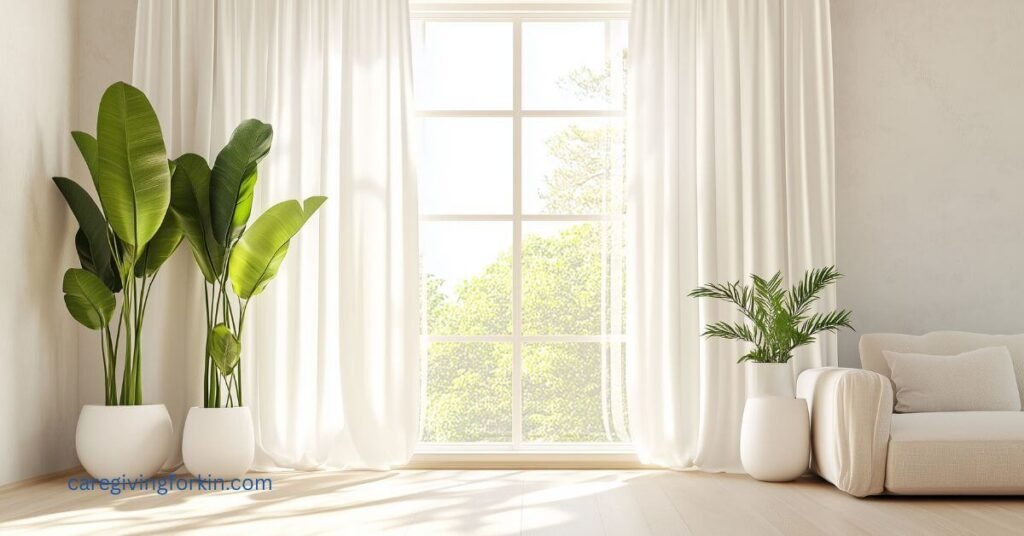
Combining overhead fixtures, floor lamps, and accent lighting creates depth and clarity better than a single light source. Motion-sensor night lights along the path to the bathroom prevent risky steps in the dark, while natural light can help regulate sleep cycles and lift your mood throughout the day. It’s worth evaluating how well your windows function and how much daylight they allow in. The right window style for your home can improve brightness and airflow while looking beautiful.
Create Slip-Resistant Surfaces for Safety
Floors influence stability, and the wrong surfaces can increase anxiety about moving through your home. Smooth tiles, loose rugs, and worn carpeting all raise the risk of slipping. Cork, luxury vinyl with a matte finish, and textured tile offer safer footing without compromising aesthetics, particularly in bathrooms, kitchens, and entryways where wet floors are a concern.
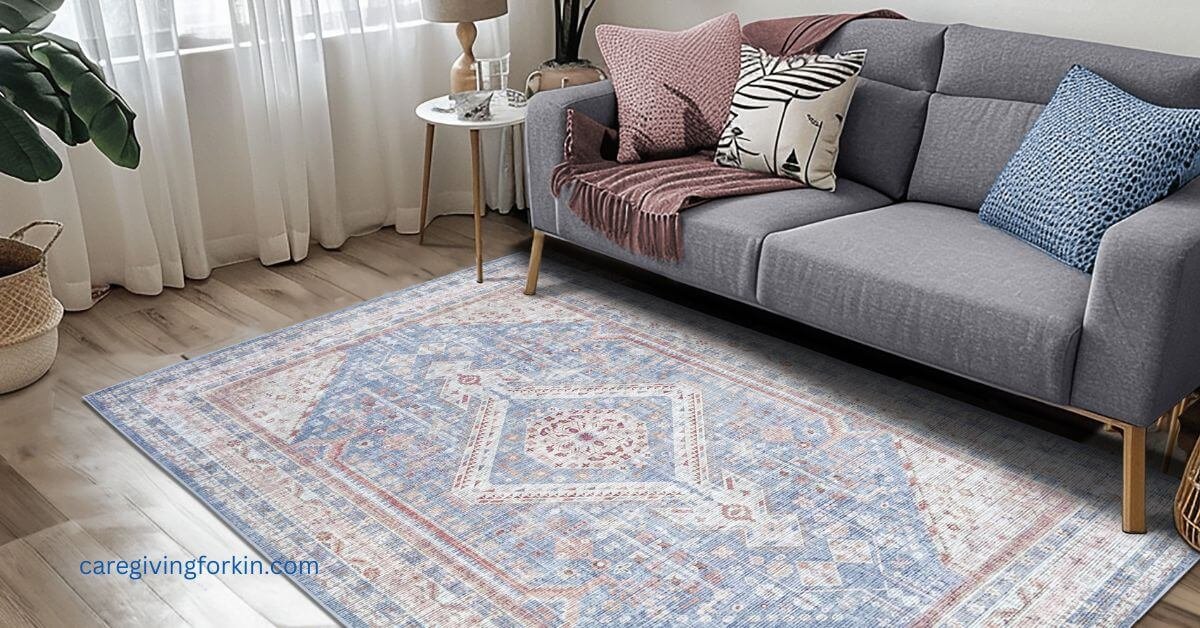
Secure area rugs with nonslip pads, or remove them from high-traffic areas altogether. If you love the warmth a rug provides, low-pile options that sit flat against the floor offer a reasonable middle ground. These changes protect joints and reduce low-level anxiety about falling that can gradually limit movement and activity over time.
Upgrade Bathrooms for Ease and Confidence
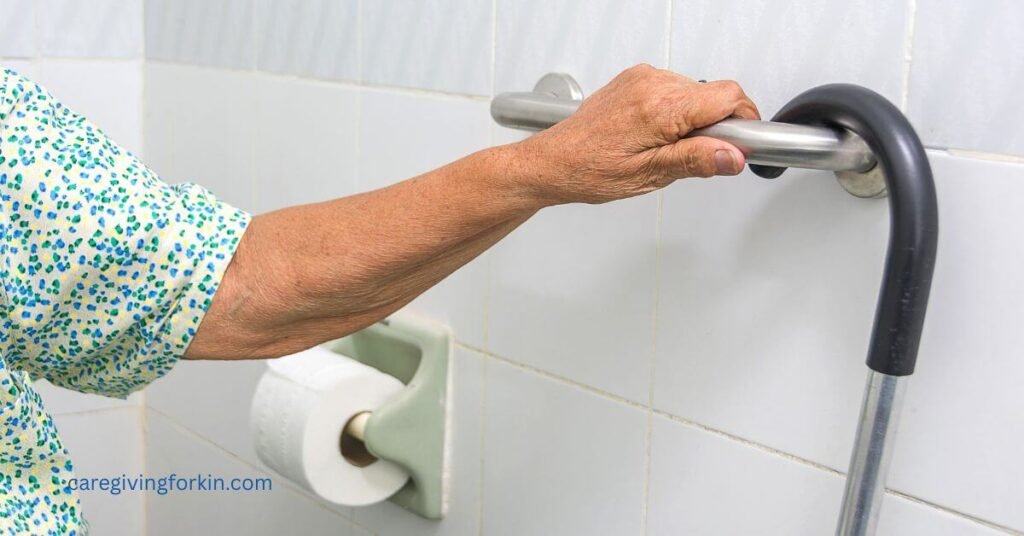
Bathrooms combine water, hard surfaces, and tight spaces, making them a high-priority area in any aging-in-place plan. Grab bars near the toilet and inside the shower provide steady support, and today’s options come in attractive finishes that blend naturally with existing decor. A walk-in shower with a low threshold is another worthwhile investment if a traditional tub has become difficult to navigate, and adding a built-in bench or sturdy shower chair increases comfort further still.
A handheld showerhead makes rinsing considerably easier, while comfort-height toilets and lever-style faucet handles reduce strain on hands and knees, especially on days when joints feel stiff. These updates allow you to maintain independence and reduce physical stress.
Rethink Kitchen Accessibility for the Elderly
The kitchen brings everyone together, but it can be one of the most physically demanding spaces in a home. Rearranging frequently used items so they sit between shoulder and hip height eliminates the deep bending and overhead reaching that strain the back and shoulders. Pull-out shelves, lazy Susans, and drawer organizers simplify access to cookware and pantry staples without requiring awkward maneuvering.
Swapping round cabinet knobs for lever-style handles reduces the grip strength needed for everyday tasks, and appliances with front-facing controls and easy-to-read displays make cooking feel more manageable. If a larger renovation is on the horizon, lowering one section of countertop to create a seated workspace is a practical addition that supports comfort and continued enjoyment of cooking and gathering.
Simplify & Declutter Entryways and Stairs
Entry points and staircases deserve careful attention because they’re the first obstacles people encounter when moving through a home. Sturdy handrails on both sides of staircases provide balanced support, while contrasting edge strips on stair treads improve visibility and reduce missteps. Removing clutter from steps and hallways creates clear walking paths that make movement feel natural.
Adequate lighting and secure railings make navigating around exterior doors easier, particularly in poor weather. If steps have become challenging, a ramp or gradually sloped walkway is worth exploring. These modifications improve safety and make it more comfortable to welcome guests.
Integrate Smart Home Technology
Technology offers practical tools that support independence without constant effort. Smart thermostats regulate temperature efficiently, video doorbells let you see visitors before opening the door, and voice-activated assistants can set reminders, control lighting, or play music without physical effort. Medication reminder apps and emergency response systems provide reassurance for you and the people who care about you. The key is choosing technology that feels intuitive.
Focus on Indoor Air Quality for Your Health
Indoor air quality contributes to comfort and health at every stage of life, and it’s an area where small habits produce meaningful results. Good airflow and clean indoor air contribute to better sleep, improved concentration, and a general sense of ease in your surroundings. Don’t forget that live plants help to freshen the air.
Replace HVAC filters on a regular schedule, invest in an air purifier if you have allergies, and ensure proper ventilation in kitchens and bathrooms. These changes all support respiratory health over the long term. Houseplants are a simple and satisfying addition that improves air quality while bringing warmth and life into a room.
Design Spaces That Encourage Movement
Movement supports strength, balance, and mental clarity, and your home’s layout should encourage it. Arranging furniture to create open pathways makes walking through your space feel natural, while designating a small area for stretching or light exercise removes the friction that often keeps people from moving consistently.
Keeping supportive footwear accessible near the door is a small detail that makes daily walks easier to commit to. Outdoors, sturdy seating and level, well-lit walkways extend those benefits further. Time outside reduces stress and supports bone health with regular vitamin D exposure.
Make Your Home Work for You
Healthy aging at home is about staying proactive. Evaluate each room honestly, identify where friction occurs in daily routines, and address small issues before they become larger obstacles. These home upgrades support healthy aging with independence and dignity, and they keep your home exactly what it should be: a place of stability, comfort, and possibility for the years ahead.
My Personal Favorite Upgrades
My husband and I have spent some time over the past couple of years reducing safety hazards around our home since we’ve gotten older. Plus, his 90-year old mother lives with us so we needed to address her needs. This is a list of the upgrades I feel have been the most beneficial around our home:
- improved lighting (we put bright white LED lighting everywhere)
- new kitchen floor that isn’t slippery when it gets wet
- Acorn Stair Lift (this has eliminated a lot of worry)
- new mini-blinds that are easy to open for bright sunlight
- Portable air purifiers (we have four of them all over the house)
- new area rugs that have rubber on the back
Let’s Have a Conversation
Have you made any home upgrades to support healthy aging—for yourself or a loved one? Maybe it was something simple… or something bigger that made life easier and safer. If you’re a caregiver, you know how important these changes can be.
👉 I’d love to hear from you—what has helped the most in your home? Share your thoughts in the comments below. Your experience might help someone else feel less alone 💛
Wiith light and love,
Susan B ✨