
Empowering caregivers, Strengthening bonds.
Caring for an aging parent or loved one with dementia or Alzheimer’s can be deeply meaningful, but it can also feel overwhelming. Caregiving for Kin is a supportive space for women and family caregivers who want clear, practical help. Here, you will find elder care and dementia caregiving tips, emotional support, and trusted resources to guide you through the daily care, safety concerns, doctor visits, hard family decisions, and so much more. Our motto is empowering caregivers, strengthening bonds. Learn more on our ABOUT page.
Whether you are just starting or have been caregiving for years, you will find guidance to protect your loved one’s dignity and preserve your own well-being. You are not alone. Connect with us and share your story. Feel all your emotions. Don’t tuck them away. At Caregiving for Kin, we believe you are equally as important as the patient. Welcome to a community that truly understands.
-

How to Make a Simple Home Command Center for Caregivers
Get More Organized than EVER! At a Glance Caregiving can make your life feel like a junk drawer that won’t close. One minute you’re juggling a cardiology visit, the next you’re hunting for an insurance card, then you remember the school fundraiser is tomorrow. Add meds, forms, ride coordination, and bills, and your brain starts…
-
Home Upgrades That Support Healthy Aging
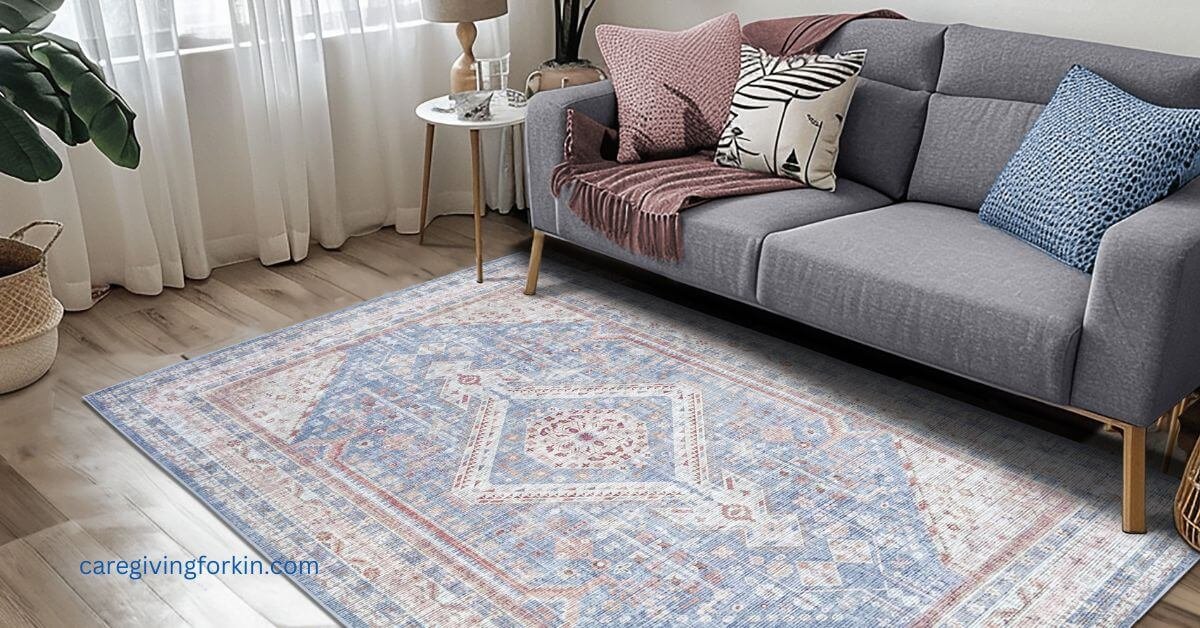
Whether you are doing upgrades for yourself or a loved one, you will rest easier knowing you’ve made your space safer and healthier for everyone. We address lighting, loose carpet, clutter, bathroom and kitchen accessibility, entryways and stairs, smart home technology, air quality, and more. Don’t find yourself saying, “I knew I should have…” because…
-

Caregiving for Someone with Dementia: 15 Things You Must Consider First
•
A Personal Guide with all the Unspoken Realities of Caregiving. ✨ At a GlanceThis personal guide covers 15 important things you should consider before you commit to caregiving for someone with dementia. We address logistics such as legal, financial, and shelter matters; the emotional toll such as grief, patience, and understanding; and the physical demands…